
The Clean Label Supplement Ingredient Guide

Quick Summary
A clean label supplement is a product with a short, recognizable ingredient list, no artificial colors or flavors, and clear sourcing for its active ingredients. Clean label is a marketing term, not a regulated standard, so the ingredient list matters more than front-of-bottle claims.
- Check the serving size first, since amounts on the Supplement Facts panel apply per serving.
- Flag proprietary blends, because they do not disclose individual ingredient amounts.
- Other ingredients are listed in descending order by weight, so the first few make up most of the product.
- Titanium dioxide and artificial dyes are common avoid-list items, but check the amount and your own sensitivities.
- A third-party seal confirms testing, so look for the lab report or certificate behind it.
Table of Contents
- What Clean Label Means for Supplements
- How to Read Supplement Labels Step by Step
- Common Excipients and What They Do
- Supplement Ingredients to Avoid and Why
- Third-Party Tested Supplements and What the Seal Proves
- Organic Supplement Greenwashing: Spotting the Warning Signs
- Choosing Your Next Clean Label Supplement
- Frequently Asked Questions
What Clean Label Means for Supplements
Clean label is a marketing term, not a regulated standard. It generally describes a clean label supplement whose ingredient list is short, recognizable, and free of additives that consumers associate with processing.
In practice, a clean-label supplement tends to share a few traits: fewer ingredients, familiar names, no artificial colors or flavors, and clear sourcing for the active ingredients. Brands that use the term well usually back it up with specifics rather than adjectives like "pure" or "natural."
How to Read Supplement Labels Step by Step
Reading a supplement label is a two-part job. The Supplement Facts panel tells you what is in each serving, and the other ingredients list tells you what else is in the capsule, tablet, or gummy. Most shoppers only check the first one.

Start with the Supplement Facts Panel
Begin with the serving size, then check the amount of each active ingredient per serving. A label listing "vitamin C 500 mg" with a serving of two gummies means you are getting 500 mg from two pieces, not one. Compare the percentage of Daily Value against the amounts you actually need, and note any ingredient listed with "proprietary blend," since those do not disclose individual amounts.
Check the Other Ingredients List
Ingredients in a clean label supplement are listed in descending order by weight, so the first few items make up most of the product. Look for the excipients that hold the supplement together, such as binders, fillers, and coatings. Anything you cannot identify is worth a quick search before you buy.
The steps below sum up how to read a supplement label, from the facts panel through to the other ingredients list.
| Step | What to do | Why it matters |
|---|---|---|
| Check serving size | Note how many pieces make one serving | Amounts apply per serving, not per piece |
| Read the Supplement Facts panel | Check the amount of each active ingredient | Shows what each serving delivers |
| Compare Daily Value | Set the percentage against your needs | Shows how much of your need is met |
| Flag proprietary blends | Note blends that omit individual amounts | Individual doses cannot be verified |
| Scan other ingredients | Read the list in descending weight order | The first items make up most of the product |
| Research unknown names | Search any ingredient you cannot identify | Clarifies what each excipient does |
Common Excipients and What They Do
Excipients are the non-active ingredients that give a supplement its form, stability, and texture. They are not inherently harmful, but they are where most clean-label debates happen, because removing one usually forces a trade-off somewhere else in the formula. The practical way to read an excipient list is to ask what each ingredient is doing and what would change if it were gone.
Binders and Fillers
Binders hold powder together so a tablet stays intact. Common examples include microcrystalline cellulose, hydroxypropyl cellulose, and, in some formulas, povidone. Fillers add bulk so a small active dose can be pressed into a reasonable-size tablet or capsule; microcrystalline cellulose, dicalcium phosphate, and maltodextrin are common. Removing a binder or filler often means a smaller tablet, a different dosage form, or a formula that crumbles during shipping.
Lubricants and Flow Agents
Lubricants keep powder from sticking to tablet presses and capsule-filling equipment. Magnesium stearate is the most discussed example; stearic acid and sodium stearyl fumarate are alternatives. Flow agents such as silicon dioxide (silica) keep powders moving evenly, which matters most at high-speed manufacturing. These ingredients are used in small amounts, and the trade-off is usually manufacturability: a formula without a lubricant may run slower or produce more rejected units. That is a production cost, not a safety claim.
Coatings, Colorants, and Preservatives
Coatings such as hydroxypropyl methylcellulose (HPMC) or shellac protect a tablet, mask taste, or delay release. Colorants give capsules and tablets their appearance; some consumers look for formulas without synthetic dyes, and titanium dioxide has been used as a whitening agent. Preservatives matter most in liquids and gummies, where water activity supports microbial growth; removing them may shorten shelf life or require refrigeration.
Disintegrants and Sweeteners
Disintegrants such as croscarmellose sodium help a tablet break apart in the stomach so the active can be absorbed. In gummies and chewables, sweeteners and binders do much of the structural work, which is why gummy formulas often carry longer ingredient lists than capsules. A clean-label gummy is possible, but it usually trades some sweetness, texture, or shelf stability.
How to Use This List
Read the other ingredients list in descending order by weight and match each name to a function above. Fewer excipients is generally a sign of a simpler formula, though it is not a guarantee of quality. Watch out: a short list can also mean a smaller dose or a less stable product, so compare the Supplement Facts panel and the dosage form before treating brevity as a virtue on its own.
Supplement Ingredients to Avoid and Why
Shoppers commonly look for a clean label supplement free of titanium dioxide, artificial dyes, synthetic flavors, and certain preservatives. That instinct is reasonable, but the useful question is not whether an ingredient sounds synthetic. It is whether the amount present, the route of exposure, and the evidence behind it add up to a meaningful risk. Most avoid-lists skip that step, which is why they can be simultaneously alarming and unhelpful.
Hazard, Dose, and Risk Are Not the Same Thing
A hazard is a property an ingredient may have under some conditions. Risk is the likelihood of harm at the dose and exposure actually involved. Many ingredients on avoid-lists are used in small amounts as processing aids, and the dose in a finished supplement is often far below the levels studied for effects. The FDA sets rules for what can appear in supplements, and manufacturers are responsible for the safety of their products, but neither fact settles the question for a given formula (the FDA).
Ingredients Shoppers Commonly Flag
Titanium dioxide is used as a whitening agent and has drawn consumer attention; some shoppers prefer to avoid it, and some brands have reformulated around it. Artificial colors such as FD&C dyes are often the first thing removed in clean-label reformulations because they serve appearance only. Synthetic flavors and certain preservatives, including some parabens and sulfites, appear on many avoid-lists; preservatives matter most in liquids and gummies, where removing them can shorten shelf life.
Natural Does Not Automatically Mean Safer
A plant-sourced ingredient can still cause allergic reactions, interact with medication, or be contaminated during growing and processing. Synthetic versions of some vitamins are chemically identical to natural ones, and the body does not distinguish them. Treating "natural" as a safety guarantee is the mirror image of treating "synthetic" as a hazard, and both shortcuts skip the evidence.
A Practical Avoid-List Checklist
Start with the reason you want to avoid something: allergy, sensitivity, ethical preference, or a specific safety concern. Then check whether the label discloses the amount, since an ingredient listed in the other ingredients list has no quantity shown. If you have a specific sensitivity or allergy, read the label every time, because formulas change. Watch out: an avoid-list copied from social media may name ingredients that are not in the product at all, or miss the one you actually react to, so verify against the label in front of you rather than a generic list.
Third-Party Tested Supplements and What the Seal Proves
Third-party seals from organizations such as USP, NSF, and ConsumerLab indicate that an independent lab checked something about the clean label supplement.
A seal does not mean the product works, and it does not cover every claim on the bottle. Read what each program actually tests. Many brands display a seal on the label, but the lab report or certificate is what confirms the testing happened.
Organic Supplement Greenwashing: Spotting the Warning Signs
"Organic" on a supplement label is regulated only in some cases. Under USDA rules, the organic seal on a dietary supplement generally requires certified organic ingredients, and a product may use "made with organic" wording only if it meets a lower threshold.
Warning signs include a prominent organic claim with no certifier listed, a vague "organic blend" with no percentages, and marketing imagery that suggests certification the label does not show.
Choosing Your Next Clean Label Supplement
When you choose your next supplement, start with what you need the product to do, then check the label against the steps above. Look for a short ingredient list, clear dosing per serving, and third-party verification if that matters to you.
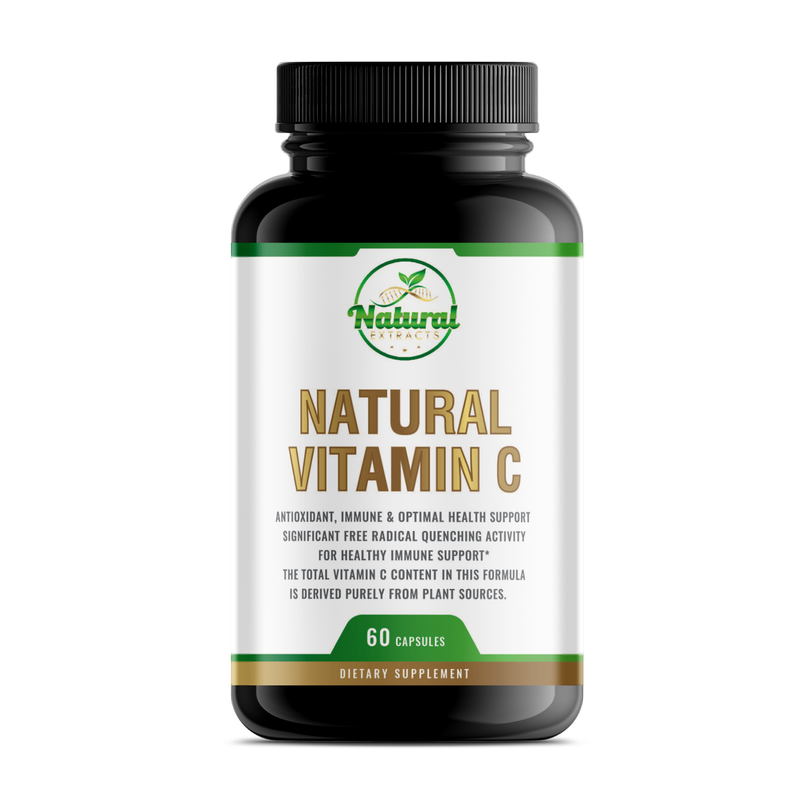
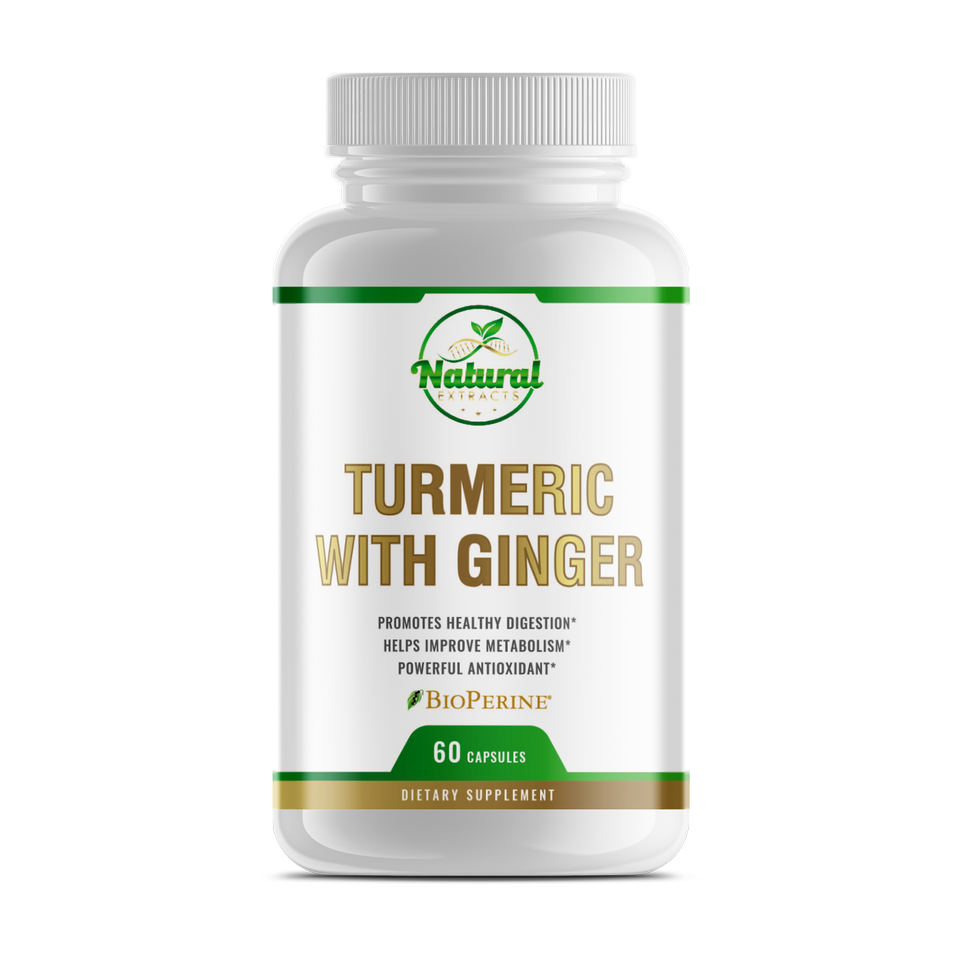
Natural Extract offers several products built around plant-based formulas. The Natural Extract Natural Vitamin C 60ct, priced at $49.99, uses a plant-sourced vitamin C. The Natural Extract Turmeric with Ginger 60ct, at $39.99, combines turmeric and ginger.
Frequently Asked Questions
What does clean label mean for supplements?
Clean label generally describes a supplement with a short, recognizable ingredient list, few or no synthetic additives, and clear sourcing information. The term is not defined by the FDA for dietary supplements, so it is a marketing description rather than a regulated standard. Read the full Supplement Facts panel and the other ingredients list yourself, and check whether the brand explains where each ingredient comes from.
Are clean-label supplements safer or more effective?
Not automatically. A clean label tells you about what is in the product, not whether it works or is safe at the dose you take. Hazard, dose and individual health status all matter. A natural ingredient can still cause side effects or interact with medication. Review the dose, look for third-party testing, and talk with your healthcare provider if you take prescription medication or have a medical condition before starting any new supplement.
Can you trust third-party supplement testing?
Third-party testing can add useful verification, because an independent lab checks whether the product contains the listed ingredients at the stated amounts and screens for contaminants such as heavy metals. Check which organization performed the test, whether the seal applies to the exact product you are buying, and whether the company publishes a certificate of analysis. A seal on one product does not cover every item in a brand's line.
How can you spot greenwashing in organic supplements?
Watch for words like organic, natural or clean on the front label that are not backed by a certification on the back. A USDA Organic seal means the product meets USDA National Organic Program rules, so look for that seal and the certifier's name rather than generic claims. Be cautious when a brand highlights one organic ingredient while the rest of the formula is conventional. Vague sourcing language, no batch testing details and no contact information for questions are also common warning signs.
What are common inactive ingredients in supplements?
Inactive ingredients, also called excipients, help a supplement hold its shape, flow through manufacturing equipment and stay stable on the shelf. Common examples include cellulose, silica, magnesium stearate, vegetable capsules and natural flavorings. Some of these are safe in the amounts used, while others draw criticism from consumers. Knowing their functions helps you judge a label more fairly, because removing every excipient is not always practical in tablets or capsules.
What ingredients should you avoid in supplements?
Many people choose to avoid artificial colors, artificial sweeteners, titanium dioxide, talc and unnecessary preservatives. The right choice depends on your personal priorities and how much you consume. Gummy supplements often contain added sugar or sugar alcohols, so check the grams of sugar per serving. Avoiding an ingredient does not make a product effective, so weigh each additive against your goals and any medical advice you have received.
How do you check the ingredients in a supplement?
Start by comparing the Supplement Facts panel with the product's website or certificate of analysis. Confirm that the active ingredient names, amounts and serving sizes match. Then review the other ingredients list for fillers, binders, colors and flavors. Search any unfamiliar ingredient to learn its function. Finally, look for third-party verification, which lets an independent lab confirm the label matches the contents of the bottle.

